Believe it or not, there was a time when Christian Slater was considered the King of Cool. A sort of poor man’s Jack Nicholson crossed with a cartoonier James Dean. Slater blew onto the scene in 1988’s Heathers, a dark comedy about a sexy “heroic” outcast who tries to blow up a high school.
Yeah, try making that one today.
Then came a turn as the troubled Will Scarlett in Robin Hood: Prince of Thieves, aka the guy Kevin Costner shoots through the hand with an arrow.
Slater would solidify himself further in 1993’s True Romance, the Quentin Tarantino-penned romantic crime drama with one of the most hilarious monologues regarding world history ever delivered. Why couldn’t my high school teachers could have made learning that delightfully scintillating?
But before going on the run with 25-year old future Oscar winner Patricia Arquette, Slater would have to do penance with a sorta funny, half-baked, dimly-plotted crime comedy with 15-year old future Resident Evil fiercefemme, Milla Jovovich.
I’m talking about 1992’s dumped-in-January release Kuffs.
A movie with the ultimate ’90s tagline: “When you have attitude who needs experience?”
To which I say, “When you’ve got Rotten Tomatoes, why watch Kuffs?”
This is a brief look back at one of the minor forgotten films of the crime comedy (“cromedy”) era that was big in the ’80s through the early ’90s, until about when Tarantino (and better taste) took over and evolved the sub-genre.
I remember Kuffs popping up once on either TBS Superstation, or USA, or some non-premium cable channel back in the late ’90s. Either on a Sunday afternoon or evening. It was an oddball change-up from the usual rotation of Leon: The Professional, that weekend’s godawful Steven Seagal film, Die Hard II, and Falling Down.
Kuffs must not have proven popular even in syndication, as I only remember it coming on once, and then the channels promptly returning to Michael Douglas machine-gunning a phone booth. For the longest time I wasn’t even sure it was actually real, and not something I’d mixed up with another film. All I remembered was a scene where Slater answers the door without a shirt on (with attitude).
Then a few weeks ago, for whatever reason, the title Kuffs came to my mind, and I had to investigate the Mystery of the Shirtless Slater. So, just like a hard-boiled detective cracking open a cold case, I did a rewatch.
Source: Universal Pictures
So, what the hell is Kuffs all about?
George Kuffs is an unemployed high school dropout loser living in San Francisco who, of course, has a hot girlfriend whom he’s just knocked up. Terrified of taking responsibility for a family, he bails on the poor college girl, leaving a hastily-scribbled note about how she’s better off without him. He high-tails it to his older brother, 30-year old Brad, a respected officer in the Patrol Special Police, and begs for a loan so he can flee to Brazil.
The San Francisco Patrol Special Police is a unique privatized neighborhood security force that is not an offical part of the city police. Officers are given charters, or territories, and provide security to their residents for a rate.
After failing to secure a loan, George finds his brother gunned down brutally inside a church by a wackily-dressed hitman. Then, to make matters worse, he watches the killer walk free, in perhaps one of the most brain-dead plot points I’ve ever seen in a film. A city prosecutor (I think, it’s never made clear) explains that because Kuffs didn’t actually see the guy pull the trigger, the suspect can’t be held. This is despite Kuffs running into the church and seeing the guy standing there literally holding the gun over Brad’s body, and then the thug actually dropping the gun on the floor. I guess fingerprints, ballistics, and the fact that Kuffs sees the guys face doesn’t matter? I know it’s San Fransico, but come on, man.
Anyway, after grieving for all of two seconds over his dead brother, Kuffs finds out he’s inherited Brad’s district, and decides to straighten up his life, become a private cop, and get justice for his brother’s murder. But he soon finds out the hit on his sibling was just part of a deeper conspiracy that involves an evil businessman and $50 million in stolen art.
When it comes to these mid-’80s to early ’90s crime comedies, there are tiers. On the high end, you’ve got your fan-favorite mega-grossers like Beverly Hills Cop, 48 Hours, and even Die Hard, if you count it as a comedy. Just below that, you’ve got your quality dark comedies like Miami Blues and Falling Down. Then you’ve got the experimental cool dude flicks like Desperado and True Romance.
Kuffs sits in the medicore middle, with other forgotten cromedies. It’s not in bad company. It’s got flicks like Bill Murray’s Quick Change and Robin Williams’ Cadillac Man hanging out with it. It’s quite a precipitous drop below, where we find appallingly outrageous anti-classics like Samurai Cop and Hard Ticket to Hawaii. The latter of heavy doobie-smoking skateboard assassin fame.
Kuffs by itself is not really nostalgic for me. I only saw it once, and was left mostly unimpressed, even as a credulous teen who, at the time thought Steven Seagal was the bomb. But the spirit of the cromedy genre, and the time period from which it hails, is endearing. Back then you could get away with a ridiculous premise. All you needed was a rascally underdog protagonist, stick in a bad Hans Gruber Xerox for your villain, mix in some snarky atittude, and there you go.
It was a simpler time. Before the internet. Before audiences got savvier and actually expected better, or at least bigger. Nowadays, you’d likely only see something like Kuffs dropped on a streaming service late at night like an abandoned firehouse baby. Though the sub-genre has had its big-budget ressurgences, like 2010’s The Other Guys, the 21 Jump Street reboot, and Kevin Hart’s Ride Along.
So, what does Kuffs have going for it?
Not so much its humor, which mostly sputters. It’s largely off-putting and tonally jarring. It struggles to be edgy and irreverent, but becomes undone by over the top silliness. There’s a sleeping pill sequence that belongs in a 2000s gross-out comedy. Late in the story there’s a drug-sniffing dog joke that looks like it would have been right at home in Beethoven. And for some reason uncooked turkey becomes a recurring gag. The attempts to be clever and self-aware generally come off more as cringy and juvenile. It might have worked as a dark comedy. But it’s like the writer and director just decided to hell with it, and went with every bizarre and weird impulse, resulting in a brash and stiched-together final product. Which is odd considering both of them were Oscar nominees from previous ventures.
It has one somewhat clever scene. Kuffs and his real cop handler bicker in the car, and their swear words are bleeped out. This was done supposedly to poke fun at the PG-13 rating, which only affords a single utterance of the F-word. Though the meta mockery seems misplaced, random, and unearned.
Then there’s Kuffs’ Ferris Bueller-esque fourth wall breaking throughout the film, which I actually didn’t mind that much. Slater is no Woody Allen, à la Annie Hall, but his smarmy charisma works for the sub-genre. It reminded me a lot of Deadpool, actually. I guess every decade is entitled to its own smart ass who talks directly to the camera.
Source: MillaJ.com
Lastly, I’d be remiss not to talk about a little icky something. That wasn’t a typo up top. Milla Jovovich, the college-aged love interest, really was 15 during principal photography, while Slater was either 21 or 22. And the movie has several passionate make-out scenes. Yes, a full grown man sucks face with a minor in a mainstream studio film. Kind of hard to believe what movie studios got away with back then, and what audiences either didn’t know about, or maybe didn’t care about. Imagine pulling that with the Moral Outrage Twitter Brigade today.
Overall, I designate Kuffs as a quintessential ’90s cringe cromedy. Worth a watch to get that unique crime comedy flavor.
Over the course of 13 years, Jeffrey Dahmer, also known as the “Milwaukee Cannibal,” killed 17 people. He targeted mainly young men, finding them in bathhouses, and luring them back to his house, where he would drug, rape, and murder them.
Hey, what else are you going to do for kicks living in Wisconsin, right?
Sometimes, if Jeffrey was feeling in need of further stimulation, he’d disembowel them, too. He was also a necrophiliac, and liked to preserve the body parts of his victims. When he was finally caught by police in 1991, he was in the process of building a throne made of human skulls.
Wow, that’s pretty creative, to be honest. I can’t even put together a 100-piece puzzle without having a mental breakdown, and this guy’s over here building Skeletor’s throne.
But even Jeffrey Dahmer, human plague that he was, can’t hold a candle to something far more horrifying —
The institution of marriage.
Marriage, in sharp contrast to the creepy bespectacled image of serial killer Jeffrey Dahmer, is often portrayed as a blissful union between two people who love each other, want to spend the rest of their lives together, and may even want to raise children together.
In reality, marriage is responsible for untold misery, death, and destruction, especially when it leads to divorce/separation (which is often).
So, what’s riskier: Getting hitched, or living next door to Jeffrey Dahmer?
Jeffrey committed some of his murders while living in his grandmother’s house in West Allis, Wisconsin. However, while Jeffrey killed hitchhikers and gay men in bathhouses, it’s very important to note that he never killed anyone living right next door to him. He never even killed his own grandmother, who finally asked him to move out due to the “funny smells” coming from the basement of her house.
Thesis: I contend that marriage is by far riskier and deadlier than living next door to Jeffrey Dahmer.
Don’t believe me? Well, let’s take a look at some alarming statistics about murder and marriage.
According to The Atlantic, which reported a study by the CDC, 55% of murders of American women are committed by an “intimate partner,” meaning a former or current romantic partner, or the partner’s family or friends.
Source: Huffington Post
The study goes on to report some more disturbing facts:
A third of the time an argument precipitated the murder, with 12% of the deaths associated with jealousy.
15% of the women killed were actually pregnant at the time of death.
And almost half the murders were committed with a gun.
It gets even worse. Back in 2019, the Huffington Post, citing a study by Northeastern University, reported that domestic violence murders are on the rise.
In 2014, there were 1875 people killed by an intimate partner.
In 2017, that number rose to 2,237, almost a 20% increase.
Then there’s this startling little nugget:
“Every 16 hours, according to one estimate, a woman is fatally shot by her boyfriend, husband or ex.”
17 boys and men were murdered, often quite gruesomly.
Most of Jeffrey’s victims were non-white, including a 13-year old Laotian boy.
Now, let’s consider a few points.
According to Legal Jobs, the average length of a marriage in the U.S. is only 8.2 years. That’s almost five years less than Jeffrey’s serial killing enterprise, which shows that unlike all these short-timer married folks, Mr. Dahmer possessed a capability for long-term committment. Had Jeffrey not been caught in 1991, he’d likely have just kept on killing. And why not? The dude was clearly awesome at it. Whereas it appears most people are looking to bail on their marriages A.S.A.P.
‘Till death due us part? LOL, yeah right. What a sick joke.
It’s a sad testament to today’s society when a serial killer like Jeffrey Dahmer is a greater model of reliability and dedication than the institution of marriage itself.
Furthermore, unlike with marriage, Jeffrey was a danger exclusively to males. If you’re female, he was as harmless as a Lifetime movie, though certainly far more entertaining.
Now, factoring in some of the above-mentioned statistics concerning intimate partner homocides, if on average 2,000 women are killed every year by their SOs, while about 2 million women are married every year, that means a woman has roughly a one tenth of one percent chance of being murdered by marriage.
Mind you, she plays those odds every year she stays married. Hmm, maybe there is something to that 8.2 year average divorce deadline, afterall.
Only about 5% of murdered men are offed by their romantic partners. In fact, about 500-750 married men are whacked each year. That works out to under three hundredths of one percent of men married each year being killed by a spouse.
Now, those numbers may look pitifully low. But they are orders of magnitude higher than Jeffrey’s body count. Jeffrey only killed 17 guys over a 13-year period. In that same period of time, marriage might have killed almost 26,000 people. Roughly the population of Neenah, Wisconsin, a small town 84 miles from Jeffrey’s birthplace of Milwaukee, and famous for making manhole covers.
Now, let’s a break from all the murder and mayhem, and discuss something far more important.
Man, marriage can end up being a pretty big blow to one’s net worth.
But you know who never reduced anyone’s federal income tax bracket? Good ol’ “Kill ’em cheap” Jeffrey Dahmer, that’s who. A budget-minded serial killer, who often plied his victims with offers of free food and drinks to lure them back to his apartment.
This adds up to a pretty disturbing truth: Strictly financially speaking, it’s not only cheaper, but likely more profitable, to be killed by Jeffrey Dahmer, than to end up in a bad marriage, or one that leads to divorce. At least with Jeffrey you get treated to a good meal and (possibly) mindblowing sex before your visit with the Grim Reaper. Which is more than what many can say about their failed marriages, much less the dating scene itself overall.
Certainly, it’s safer (and healthier) to be Jeffrey’s next door neighbor than to be a divorcee, no matter what your gender. A study that appeared in Annals of Behavioral Medicine showed divorce linked to a “wide range of poor health outcomes, including early death.”
Meanwhile, Jeffrey’s grandmother, Catherine Jemima Hughes, whom he lived with during his first three murders, lasted to the the ripe old age of 88, dying on Christmas Day in 1992.
And this leads to a realization that really rocked my world —
It’s possible that actually being married to Jeffrey Dahmer might have been the safer option, rather than being married to some other random person. Jeffrey never killed anyone he lived with, or next to, remember.
Married folks, let me emphasize that: Statistically, you would have been safer being married to Jeffrey Dahmer than to your current husband/wife.
Finally, we get to the issue of race. As mentioned earlier, Jeffreys victims were primarily non-white. Many of these melanin-enriched unfortunates were picked up in gay bars and clubs. Which goes to show that Jeffrey, for all his shortcomings, was definitely not a racist. Or a homophobe.
The institution of marriage on the other hand? It’s practically wearing a pointy white hood.
Even though, according to Gallup, U.S. approval of interracial marriage has hit a new high of 94%, Wikipedia points out that, “White Americans were statistically the least likely to wed interracially.” Even very recently, according to Pew Research, only 19% of newlyweds in 2019 were interracial couples.
Source: Pew Research Center
By contrast, Jeffrey judged not by the color of his victim’s skin, but whether they’d make a fine addition to his skull throne. His body count was a color-blind meritocracy, just as Dr. King would have wanted. Given Jeffrey’s racial preferences, you could even say he was a devout anti-racist before it was cool to be a devout anti-racist.
The results are clear: Jeffrey Dahmer wins this debate pretty handidly. You would have been statistically safer living next door to him during his killing spree than you would have been getting married.
A quick recap:
If you’re a woman, you have a low but not insignificant chance of being murdered by your partner. But you would have had a ZERO chance whatsoever of falling prey to Jeffrey Dahmer, even if you were living with him. Or married to him.
Point goes to Jeffrey for his chivalry.
If you’re a man, you also have a greater chance of being killed by your spouse or partner than ending up part of Dahmer’s body part trophy collection.
Another point to Jeffrey.
For either sex, marriage can lead to breaking the bank. Death by Dahmer? Zero out of pocket costs. And you might even get a free dinner and drinks.
Jeffrey scores again.
Marriage itself? Sadly, still an institution rife with racism and homophobia. Meanwhile, Dahmer was all about diversity and cultural enrichment.
Jeffrey with the clincher here.
And there you have it. Jeffrey Dahmer wins out on virtually every metric that matters. You’re better off living next door to a serial killer than getting married.
“Life is sweet,” Mikey Saber, the former porn star and charismatic scumbag main character says in director Sean Baker’s sensational latest film, Red Rocket.
And you could say that about the movie, too.
A writer/director since 2000, Baker achieved notoriety for his experimental 2015 film Tangerine, which was shot exclusively on an iPhone 5.
Red Rocket follows washed-up porn star and manipulative degenerate Mikey Saber, a 40-something human wrecking ball of sorts, who has just fled Los Angeles under dubious circumstances, to return penniless to his hometown Texas City, TX after a 17-year absence.
To say Mikey is disliked in his hometown is a bit of an understatement. For starters, he first has to contend with his estranged wife Lexi, whom he left destitute years ago, and her bitter elderly mother, Lil.But one of Mikey’s super powers, aside from his unflinching dogged amorality, is his silver tongue. Eventually, he’s able to beg his way into staying on the couch, under the conditions that he get a job and help out with the household chores.
Mikey next runs afoul of a few moralistic diner and General Store owners, who aren’t too keen on hiring an ex-porn actor, even for petty pay. He’s forced to return to his roots as a small-time pot dealer for the local crime boss, Leondria, and her permantly scowling daughter, June.
Reduced to riding around a dead end town on a cheap bicycle peddling dope to skaters and construction workers might be enough to cause any man to despair. But not Mikey Saber, who appears filled with unshakable, if inexplicable confidence, of eventually getting his mojo back.
It’s after treating his wife and mother-in-law to a donut shop to celebrate his newfound pot gains that the story really begins — when Mikey first sets eyes on 17-year old cashier Strawberry. Not only does he become completely (and quite disgustingly) smitten with the barely legal red-headed teen, he sees a potential chance to use her to get back into the porn industry.
Yeah, this guy’s a real dirtbag, if you hadn’t picked up on that already.
Despite its racy and raunchy themes, Red Rocket is one of the most thoroughly entertaining films I’ve seen in a long while. Mikey Saber, flawed as all get out, is an unforgettable character. A sexual tornado, inflicting one disaster after another on anyone within shouting distance with his impulsive and reckless behavior.
I first heard about Red Rocket from a Mike and Jay video awhile back, but didn’t get around to watching it until recently. It initially premiered in December of last year with little attention or theatrical release. But it’s been Simon Rex’s performance as Mikey that has been its primary calling card. He’s won, or been nominated for, a slew of awards for his role.
Rex’s character Mikey is somewhat of a meta performance for the actor, as he performed briefly in a few solo porn films at the start of his career. Though initially stung by the scandalous reveal of his explicit films during his rise in the early 2000s, now at age 47, Rex saw the role as suitcase pimp and lascivious manipulator as an opportunity. He says in The Daily Beast:
“I was at a point where I just had nothing to lose, like at my age and with my career,” he says. “I don’t mean to say ‘I don’t care,’ but I truly was just like, ‘Fuck it. I’ve got nothing to lose.’ I could just go for it and not worry.”
Meanwhile, Baker has established himself as a very unconventional and unique indy director. Just as The Florida Project and Tangerine, two films I definitely want to check out, he doesn’t shy away from showing the raw and risqué side of Americana
But aside from Baker’s technical sophistication and Rex’s superb portrayal, Red Rocket is just a blast. Mikey Saber ranks up there with the types of unforgettable characters that make movies worth watching. Characters like Taxi Driver’s Travis Bickle, Pulp Fiction’s Vincent Vega and Jules Winnfield, or Howard Ratner of Uncut Gems. The kind of seemingly otherwordly characters that remain grounded enough to make you think they could actually be real people. Everyone knows a Mikey Saber-type, either from high school, or maybe more recently in life. You know, the charming bastard who lives life by the skin of his teeth, yet still is somehow a panty-dropper. T-rash with a capital “T.” Yeah, that guy.
Check out Red Rocket as soon as you can. It’s a real trip.
For my latest self-published novel, The Lek, I used Fiverr to find a designer to make the book cover.
Fiverr is a fantastic resource, by the way. You can find pretty much any kind of freelancer on there. Ghostwriters, copywriters, video editors, animators, songwriters, voice over artists, programmers, beta readers, and consultants in virtually any field.
I’d used Fiverr before for my first novel, Nemesis. A story about a middle-aged suburban father who’s contacted by a mysterious organization with a strange offer: To eliminate one enemy in his life. The choice is easy. He has his abusive father, now elderly, and in a retirement home, killed in clandestine fashion. It all seemingly goes according to plan. Until his estranged twin sister, a paranoid schizophrenic, shows up, determined to take him down and get justice for her father’s murder by any means possible.
Nemesis was a darkly humorous psychological “suburban thriller” in the vein of the 2015 Jason Bateman film, The Gift, or Scott Smith’s brilliant and intense 1993 novel, A Simple Plan. I’ve always been drawn to stories with fiery family dramas, interpersonal conflicts from the past left unresolved, or that involve some kind of moral dilemma. David Cronenberg’s 2005 film A History of Violence probably encapsulates everything I look for in a smart thriller.
I’ve found that most thriller book covers tend to be pretty basic. Nemesis was my first self-published novel. So I went with something straightforward.
Cover of my book, Nemesis
I think the results were acceptable. I didn’t exert much scrutiny toward the design. It was my first experience hiring a designer on Fiverr. I didn’t really know what to expect. And I hardly communicated much of a “vision” for the design.
Good communication is very important when working with a designer.
You can’t expect a stranger to just intuititively know what’s in your head. This was a learning process for me, who, like I suspect many writers, has a bad habit of getting stuck in my own throught process.
The Lek cover proved a challenge. Incontrast to the more grounded Nemesis, The Lek is a trippy, irreverent and provokably profane dystopian satire about a deadly contest where males compete for reproduction rights with a female.
For more details, check out the article I wrote on The Lekhere.
For that kind of bizarro concept, I needed a cover that really communicated the weird, wild, and exotic environment of an X-Rated story filled with a lot of sex and violence.
While writing The Lek I drew on inspirations from such dystopian favorites of mine like Anthony Burgess’ A Clockwork Orange, Harlan Ellison’s A Boy and His Dog, as well as Stephen King’s The Long Walk and The Running Man. So naturally, I wanted a cover that not only evoked the elements of the story, but that era as well. Sci-fi book covers back in the ’60s and ’70s used to be awesomely psychedelic and high-concept, especially for authors like Kurt Vonnegut and Philip K. Dick. It truly was an experimental age.
Of course, communicating that vision proved tricky. Not everyone will vibe with that. It really is interesting how different artists will interpret your ideas for a cover in their own unique ways. This led to a few false starts before getting to the type of cover I wanted. But I enjoyed the whole process, and I found it a good learning experience.
It also helped get me out of my comfort zone. As a writer, it’s so easy to get used to working alone, and doing your own thing. But there can be a lot of components that go into content creation, whether we’re talking writing freelance articles, copywriting, or self-publishing a book about twelve dudes trying to win a deadly contest so they can bang a hottie.
There’s also marketing, which is something I’m just now beginning to learn about. It’s embarassing how little I know about it, but I’m trying to change that. The actual physical discipline of producing the written word I’ve never had an issue with. I know how to smash words out, baby. It’s getting those words out in front of people— selling myself — that I’ve always struggled with. But that’s for another article.
Anyway, here are a few designs I considered before getting to my chosen one. I thought it would be interesting to go through the book cover selection process of self-publishing. Feel free to tell me what you think of each one.
The first design team I went with was based overseas, and had a lot of attractive samples on their Fiverr profile page. They actually produced two samples based on my ideas for something trippy and ‘70s-era sci-fi-ish.
Cover Attempt One:
A rejected cover for my novel, The Lek
I didn’t care for this cover at all when I first saw it. Then I kind of warmed up to it a little bit. It captures the bloody nature of the Lek gauntlet contest that occurs in the book. There are a lot of creative kills as the males are picked off over the course of the story.
This cover also indictes the thriller aspect of the story, à la King’s The Long Walk. The deep ruby red hints at not only the intensity, but the violence, and maybe even a little bit of the dystopian nature. I did like the “X,” as a subtle reference to the name of my name character, or as perhaps a symbol of the the Lek contest itself.
This rendering certaintly has a few good things going for it. The problem is that it’s far too serious. It doesn’t evoke the main genre — satire. Doesn’t hint at the dark humor, or the weird playfulness of the concept, much less the sexuality throughout the novel. It’s certainly not trippy or ‘70’s-ish. A cover like this indicates more of a straightforward thriller. It makes me think Robert Ludlum, Frederick Forsyth, or even Tom Clancy.
Plainly put, it misreprents the story.
This is the challenge when working with graphic designers through a freelance website as an indy author. Unlike with a traditional publishing outfit, where the in-house staff has read your book, and likely knows how to convey your wacky-ass idea in a cover design, you won’t necessarily have that luxury through Fiverr. It’s a bit more hands on.
As for the second cover sample, it completely missed the mark.
Cover Attempt Two:
A second rejected cover for my novel, The Lek
About the only thing somewhat redeemable about this cover is the apocalytpic background with the collapsed buildings. Other than that, it doesn’t work at all, as it evokes a 1950’s-era monster movie type story like Attack of the 50 Foot Woman, Attack of the Crab Monsters, or Tarantula!.
This is an example of where sometimes a designer can take things too literally from a description or from the ideas you submit. In my story, the title of the female the males are competing for is “Queen Bee.” And not just because she’s the most beautiful and desirable female in the Lek’s history. But because, as the title suggests, she’s expected to reproduce prodigiously with her Lek winner to help repopulate the earth. There is not an actual killer bee chasing any of the males. And the cover doesn’t work as a visual metaphor either, as none of the men are running from the contest, but indeed, quite excitedly toward it, grisly potential deaths be damned. So, like the first cover, this one misrepresents the story.
After rejecting these two samples, I realized something. I was going to have grab the bull by the horns here. See, up until this point, I’d been merely communicating a general idea — the gist — of what I wanted. I figured that would be enough. But that’s hardly fuel adequate for a designer. You need specifics. You need a clear visual with details. Basically, you’ve got to do everything but draw the damn thing yourself.
All the designers I messaged on Fiverr were talented artists. But designers on there are also time-constrained. The impression I got was that they would prefer to simply be told specifically what to make, rather than brainstorm ideas for the cover. Other designers on there may work differently, but that was the experience I had with the ones I dealt with.
To be clear, all of the struggles I encountered were 100% my fault due to inadequate communication.
Even though I was still pretty new to the cover design game on Fiverr, I definitely could have done a better job articulating what I wanted. I certainly will in the future.
It also doesn’t help that I’m a habitual maximizer. But, that too, is for another article.
After climbing up that learning curve, I decided to finally try out an idea I’d had, but remained a little hesitant about revealing. I thought about why exactly I was drawn to the psychedelic ‘70’s-era book covers for my novel. It was the experimental, carnival tone that they conveyed, mostly. It was also how many of them really took advantage of their out-of-left-field concepts by illustrating something striking and different. As opposed to your standard cover for a thriller novel of a guy running, or a dude holding a gun or something.
They also tended to use simple visual metaphors to represent the central conceit of the story. Oftentimes, in a minimalist manner. Minimalist book covers are a whole sub-category unto themselves. There are a lot of artists on Fiverr who specialize in those. Here are a few examples of what I’m talking about.
For The Lek, I didn’t think a minimalist take would work, though I was drawn to the design aesthetic initially. So instead, I went with something a bit more audacious.
The Final Cover:
Cover for my novel, The Lek
I really like this cover because it conveys the tone, conceit, genre, and humor of the novel pretty, well, starkly. It’s colorful without being too garish or clashing. It gives a sense of playfulness and adventure while hinting at some of the dark themes. It also subtly pokes fun at the takes-itself-too-seriously Young Adult dystopian sub-genre that my novel satirizes. Most importantly, it sticks the sexuality front and center.
Overall, I found the process of coming up with a book cover more challenging than I anticipated. It’s strange how I have no problem writing tens of thousands of words imagining all sorts of crazy scenarios, but developing a cover proves problematic. The whole ordeal helped me to be more appreciative of design artists, and showed me the importance of good communication when sharing my ideas. The book cover step in self-publishing may not be the most important. But it is a crucial one. At least next time it shouldn’t be as formidable.
I’ve just released my second novel, The Lek, on Amazon Kindle. For now, it’s available as an ebook, but I’ll release the softcover version in the near future.
Here’s the summary:
—
THE LEK. An irreverent, X-Rated, dystopian satire.
In a post-apocalyptic future where procreation is strictly regulated, twelve males, known as Potential Seeders, pre-selected by a female, known as a Queen Bee, must compete in a deadly competition known as the Lek, a gauntlet comprised of twelve challenges. The winner earns not only reproductive rights with the female, but a place in a utopian society called Haven, built for the New Humanity.
“X,” a charismatic and cunning cripple, and eleven other males, are competing for Jezschwick Klump, the most beautiful Queen Bee in the Lek’s history. But Jez, a rebellious and clever girl, having escaped her handlers, has determined to destroy the Lek by any means possible.
While the males are eliminated one by one over the course of the gauntlet, Jez’s fledgling rebellion gradually unites the districts against the Lek.
But can the Lek really be toppled? Can true freedom be obtained? Jez will have to join forces with X to find out the truth.
—
I’ve usually referred to it as an X-Rated Hunger Games.
Writing The Lek is, without a doubt, the most fun I’ve ever had on a novel. It combines my dark, irreverent sense of humor with a lot of sex and violence, all streamlined into a pretty tight, well-structured, and fast-paced action/adventure.
It’s also a bit of a mix of various post-apocalytpic/dystopian type novels and movies I love. Harlan Ellison’s A Boy and His Dog is a big influence. As are other classic works like Anthony Burgess’ A Clockwork Orange, Aldous Huxley’s Brave New World, and Stephen King’s The Running Man and The Long Walk.
I was inspired to write it out a desire to lampoon the rash of Young Adult dystopian novels and movies that started with the massive popularity of The Hunger Games, Divergent, and The Maze Runner. For awhile, it seemed like every weekend there was a new movie or book about plucky teenagers somehow managing to overthrow an autocratic militarized regime. Always set in the same run-down dystopian world where there’s a severe class divison between the unwashed masses and the thin sliver of political elite, people wear burlap sacks for clothes, government officials lecture from jumbo TV screens, and all of society is at the tipping point for a revolution, needing only a handful of attractive teenagers to light the way. I remember watching the previews for Hunger Games and thinking of the absurdity of a teenaged girl with a bow and arrow somehow taking out a Nazi-level government.
Obviously, these are young adult power fantasy books about sticking it the Man, confounding the adult world, trying to find your place in society, upending the established order with your own beliefs, asserting your own independence, and, of course, struggling with a hot love triangle all the while. I get it. They have a certain appeal. They’re not bad books, per se. They’re obviously popular as hell, and still selling. I think there’s actually a fourth Hunger Games movie in production. They’re going to the well again. I guess people are already nostalgic for 2012-16.
But like any good trend that runs its course, themes start to get recycled, plot points repeated, characters cloned. And pretty soon the whole thing begins to invite mockery and parody.
I’m not sure where the exact idea came from for The Lek. But one day it dawned on me that so many of these YA dystopian books were really more romantic soap operas dressed up as action thrillers. Throw in a slightly unique location/set-piece/premise, rinse wash repeat, and there you go. I still don’t know what the hell Divergent is even supposed to be about, and I’ve read the premise like ten times.
So why not just get right to the point of what a lot of these books are subtextually all about: mate competititon.
The idea of males having to compete in a deadly gauntlet for the right to reproduce with a female struck me as hilariously subversive. Always a key thing I look for when deciding on which novel to start next. It also felt metaphorically reflective of how mate selection feels sometimes in the modern world, where there’s endless dating apps, OnlyFans, empowered man-hating feminists, simps, chads, incels, femcels, and a widespread societal disregard for marriage and commitment. Both sexes suffer under these conditions. But I wanted to write a story that articulated what it feels like, as a man, to battle against the pressures of male competition, to hurl endless messages into the Great Unrequited Void, the struggles to meet someone in a new place, or to meet anyone at all. A book that captured the uncanny sense of hopelessness one feels trying to achieve the Holy Grail of oneness, and the oftentimes boring emptiness that follows after achieving supposed “success” in that pursuit.
At its core, The Lek is also about the lengths men will go to fuck a hot chick. Even to the point of risking life and limb.
But what is a “lek” anyway?
“Lek mating” is a scientific term that refers, according to Wikipedia, to an “aggregation of male animals gathered to engage in competitive displays and courtship rituals, known as lekking, to entice visiting females which are surveying prospective partners with which to mate.”
In the post-apocalyptic world of The Lek, procreation is regulated by a centralized government authority, which oversees a number of districts organized by labor specialty. Due to radioactive fallout and toxicity from rampant pollution, the global population has collapsed. As has man’s reproductive abilities. Sterility is widespread. This puts a high premium on healthy women capable of delivering successful births. And a value, though by no means a substantial one, on verile males able to play their role in the game. But just as in biology, where sperm is cheap and eggs are expensive, it is the fertile “Queen Bees” who are given the greatest status, and exercise the right to choose their own pool of male suitors. They hold all the gatekeeping cards to the next generation. Though to be clear, it’s expected they perform prodigiously once a mate has won his Lek gauntlet. The New Humanity ain’t gonna birth itself.
The Lek contest is held in a massive, labyrinthine skyscraper-sized structure built into the side of a mountain, and is comprised of twelve deadly challenges. Whoever manages to survive until the end is the winner.
Incidentally, and this was something I picked up mainly via osmosis while writing The Lek, but there is a global declining birthrate, in addition to worldwide declining sperm count and male fertility. When you combine those two factors with increasing industrialization, economic disparities and systemic collapses, and the fact that more and more women put off marriage and pregnancy until later in life, and you have a vicious cocktail for a population collapse. This is something Tesla CEO Elon Musk has been warning about for years, and become more vocal about recently.
I tend to be drawn toward stories that give me the opportunity to explore social issues or cultural phenomenon with a darkly humorous narrative vehicle. Like many writers, I’m constantly amused by humanity, and all its quirks. Especially my own.
That’s not to say I tried to make The Lek some great intellectual work. I’m not an academic in the strict sense. I don’t write to educate or preach. I write to provoke. I write to to entertain. To share my voice. I write because I thoroughly enjoy getting into the flow of a story.
Hopefully, I’ve written an engaging, relatable, and relevant book in The Lek. I wrote this story in the spring of 2019. Technically, it’s my third novel, but the second that I’ve self-published. I hope you enjoy it. Please feel free to leave reviews or offer feedback.
Finally, a special thanks to Handpedia, a freelance artist on Fiverr, who designed the cover art for my book. I wanted something with a trippy, retro design. Something that was reminiscent of sci-fi book covers from the 1970’s, such as those seen on Kurt Vonnegut or Philip K. Dick novels. I think Handpedia did a great job bringing my concept to life.
First established by the World Health Organization in 2005, WBDD, “serves to raise awareness of the need for safe blood and blood products and to thank voluntary, unpaid blood donors for their life-saving gifts of blood.”
Today, it just so happens, is also the day I’m donating blood myself. While I didn’t plan for my appointment to land on WBDD, it’s a cool coincidence that it did.
I’ve been donating blood to the Red Cross ever since I was 17.
I’m not sure what attracted me initially to contributing to this non-profit that has been around since 1881. It may have been a desire to give something essential that wasn’t simply money.
I was just a high schooler after all, working at a Save-A-Lot supermarket in upstate Pennsylvania on the weekends at the time. I wasn’t exactly flush with cash.
It may have been a desire to finally overcome my fear of needles. I’d suffered a crippling syringe-phobia ever since I was five and had to be strapped down to the examination table for a booster shot.
Certainly not a preferred early childhood memory.
Probably it had to do with the idea that the simple action of giving a pint of my blood could help someone’s life, or even several people’s lives. That appealed to me more than giving other things, like money, time, or labor. As the Red Cross states, “Blood and platelets cannot be manufactured; they can only come from volunteer donors.”
Since that initial decision to donate blood, I’ve given 23 times, and am scheduled to go again today in the afternoon.
If I’m able to donate about four times a year for, say, the next 30 years or so, that means I could potentially donate up to almost 15 gallons of blood. I’ve given nearly three so far. You can donate whole blood every 56 days. While it would be great to be able to make it in perfectly on cue, it doesn’t always work out that way.
I’d like to donate 20 gallons of blood over my lifetime. I think that’s a reasonable goal.
When I lived in Philadelphia I donated like clockwork every two months at the donation center on Spring Garden street near Center City. On the way back home, I’d drive past John F. Kennedy Plaza, aka Love Park, and admire the famous red sign with the swooning letter “O.”
After moving to Williston, ND during the oil boom my donations became less frequent. Sometimes, when my work schedule allows, I’m able to make the blood drives that take place on occasion in nearby Sidney or Fairview, MT.
Other times in the past, I’ve actually driven six hours to Saint Cloud, MN to donate at the Red Cross center located in town. The phlebotomists there are friendly, and often they ask where I’m coming from. So when I mention Williston, they give me these weird looks. You drove six hours just to donate blood? At the Red Cross? Aren’t there places closer you can donate? Yeah. There’s United Blood Services, but I don’t give there. I’m a bit of a loyalist. The Red Cross takes me back to high school.
Hey, everyone’s sentimental about something. Music, movies, wine. You stick a Red Cross needle in my arm to draw blood, and suddenly I’m feeling nostalgic.
While it’s nice to donate blood and know I may have helped save somebody’s life, I also do it because it makes me feel good. I follow a strict dietary ritual the day before, eating foods rich in iron. Lots of fruits and vegetables. A big breakfast.
And, of course, drinking plenty of water. Always make sure you are well-hydrated before donating blood.
Seriously, I’m like an athlete prepping for a big game before I give blood. You’ve probably never met someone as excited to have their blood drained as me the day before a draw.
Giving blood compels me to stay active and in shape. When you donate you receive a mini-physical. They take your temperature, measure your hemoglobin levels, and take your pulse. When you go in for your appointment, the technicians there will have you fill out a lengthy health screening questionnaire.
While the Red Cross check-up is not a substitute for a full-body one by your doctor, it’s a good, cheap way to keep an eye on your health.
The Red Cross screens your blood before giving it to anybody, so if you have a disease or some kind of health problem, they’ll tell you. In my last donation, the Red Cross informed me that I had developed reactive+ Covid-19 antibodies. This means, according to the Red Cross anti-body test results page, that, “Antibody levels were detected at levels high enough that your plasma may be used as convalescent plasma.”
So, hopefully my blood went to someone who needed a leg up fighting that virus.
I have been told by several doctors that I have “great blood.” Which is no surprise. I work hard eating right and staying fit. I expect my crimson essence to be premium 94 octane.
I also think those who donate like me do so out of some unconscious need to affirm their own health and vitality. Some guys rip down the highway at 80 MPH on a Kawasaki motorcycle to “feel alive.” Me, I have a needle stuck in my arm to drain off a pint. It may not make for a Red Bull commercial, but donating blood is essential for millions of people every year who need transfusions or blood components to survive.
There’s also a very cool thing the Red Cross does that makes the ordeal worth it. They let you know where your blood donation went.
Usually just a few weeks or so after your donation, the Red Cross will send you an email with a message like the one above. It’s uplifting to know not just that your donation helps, but specifically where it did so.
Have you donated blood before? Or given thought to doing so? I know a lot of people are held back due to fear of needles, or concerns they’ll pass out or get sick.
Yeah, I’ve been there myself.
The whole blood donation process is mostly painless. I won’t lie, though. Sometimes it can hurt. It usually depends on the person sticking the needle in your arm. There’s a lot of finesse to finding the vein and inserting the syringe just right. I’ve had experiences where I barely felt anything. Other times the technician had to go digging around to find the right spot, and left me with black and blue marks. That sucked.
But look at it this way. You’re almost certainly going to have to have blood drawn at some point in your life anyway. Especially as you get older. You’ve probably already had blood work done up after an appointment.
At least if you get into the habit of donating regularly, you’ll get used to it. And you’ll be saving lives along the way. You might even become a freak like me and actually enjoy giving blood.
The technicians at the Red Cross are considerate professionals. They’ll make sure everything goes smoothly. It’s normal to feel light-headed after a blood draw. Having blood taken effects everyone differently. I’ve only had one instance where I felt like I was going to faint. That was likely due to being underfed and dehydrated before going in for my appointment. But the process has generally been a smooth one for me over my twenty-plus year Red Cross blood donation career.
This is why it’s so important to eat right and drink plenty of water before going in. Check out the Red Cross page on Tips for a Successful Blood Donation for more important details.
Anyway, I’m off to my 25th donation. Happy World Blood Donor Day.
That’s no hyperbole, either. Some of these writers have downright ludicrous levels of dedication and focus. They’re not even human, and quite possibly superhuman.
You think you’re a hard working writer because you banged out a few articles on Medium last week? Get the f*ck out of here. You’re nothing compared to these uber authors.
So let’s get started. Prepare to feel inadequate.
First up is, without a doubt, a name you’ve seen, because her books usually take up a half mile of shelf space at the library.
Source: daniellesteel.com
(Pictured above: the TX-9000 Writernator emerging from its luxury tank to obliterate writer’s block).
Her name is Danielle “The Woman of” Steel. To date, this weapon of mass production has written 185 books, including 141 novels, over a career that’s spanned six decades, and sold over 800 million copies.
And the romance novel queen is still going strong. In the first half of this year alone, she’s pumped out three books, with four more planned for the rest of 2022, including one this June. She publishes seven books a year like clockwork.
Her secret? No sleep, apparently.
According to Glamour, she works practically non-stop, sometimes all 24 hours in a day if she’s pressed for a deadline. Says Steel, “Dead or alive, rain or shine, I get to my desk and I do my work.”
For a true writing workaholic, you’d think Steel would have never had time for a personal life. But she actually has nine children. Nine! She’s also been married five times, including one marriage to a man who was an inmate at a prison when she met him for a journalism assignment.
Steel often juggles multiple projects at a time, outlining one, researching another, while writing and revising others, in order to maintain her prodigious output. She hardly eats, abstains from caffeine, scoffs at the very idea of burnout. She writes on a 1946 Olympia standard typewriter. A freaking typewriter. As in that thing Jack Torrance went mad click-clacking away at in The Shining.
Steel also has no concept of so-called writer’s block. Like every writer, she has tough days, sure. But this powerhouse offers this advice for the days when the muse is slow,
“I keep working. The more you shy away from the material, the worse it gets. You’re better off pushing through and ending up with 30 dead pages you can correct later than just sitting there with nothing.”
That’s easy for you to say, Ms. Steel, you’re a literal Terminator.
Up next is a guy some people get mixed up with Stephen King. And that’s because, like the horror master from Maine, he writes a lot of thrillers, some with supernatural elements.
source: deankoontz.com
(Pictured above: Dean Koontz, who actually wrote a whole book with his left hand on a hidden typewriter while this picture was taken).
But to be clear, Dean Koontz has a style all his own. He mixes and matches with different genres, often blending them together into his own special recipe.
Koontz is best known perhaps for the Odd Thomas series, which is about a short-order cook who can see dead people. But he’s been writing novels since the late 1960s.
He’s sold somewhere around 400 million copies of his books. The Wikipedia entry credits him with 91 books, but at this point it’s likely at least 130 plus. That’s another sign you’re a Robo Writer. Articles can’t even keep up with how many books you’ve actually written.
Don’t dare ask Dean Koontz if he’s working hard or hardly working. The Koontz Express is always rolling.
So, what is Mr. Koontz’s recipe for earning consideration as one of the hardest working writer’s today?
“I work 10- and 11-hour days because in long sessions I fall away more completely into story and characters than I would in, say, a six-hour day.”
But lest you think that Koontz regards his phenomenally successful writing career just any old 9–5, the suspense master also mentions something special that keeps him motivated to churn out the pages:
“I am enchanted by the English language, by its beauty and flexibility, also by the power of storytelling to expand the mind and lift the heart.”
In addition, the writer stays motivated by his charity, the Dean and Gerda Koontz Foundation, which contributes to the severely disabled, critically ill children, and dogs.
Like his romance novelist counterpart Steel, Koontz exhibits profound focus, eschewing TV, the internet, email, and other distractions. After first starting out on a typewriter, he eventually bought an IBM Displaywriter, which he used to write for most of his career. Though recently, in 2020, he upgraded with a newer HP computer and Microsoft Word.
The type of writing tools Koontz uses may seem just seem like trivia, but it actually highlights a way he stays on task. Especially today with social media and texting, it’s easy for a writer to get distracted. But with a machine like a Displaywriter, or a typewriter, that can only perform a single operation at a time, all you have to be “distracted” by is the writing itself.
By 6:30, I’m at my desk, then I work until dinner. I rarely have lunch, because if I eat, I get furry-minded. I do that six days a week or, if I’m at the end of a book, seven. If it’s the last quarter of a book, where the momentum is with me, I’ve been known to work 100-hour weeks.
In addition, he credits his wife Gerda, his wife of 56 years, who helps manage all the practical concerns of life (money and other domestic issues), allowing him to focus on the fiction side of things.
Never underestimate the importance of a good, supportive spouse. That’s true for writing. Or for any career, for that matter.
Man, Koontz and Steel are Warrior Writers, without a doubt. Who could possibly top them?
It’s time to talk about the gran jefa, the queso grande, the grand campeona herself.
The grand prize for Ridiculously Prolific Writer for the Ages has to go to Spanish romance author Corín Tellado.
(Pictured above: Corín Tellado. You can call her “Boss”).
I found Senora Tellado’s output mind blowing. So much, I had to whip out the old calculator to try to crunch the numbers, and see just how much this mad scribbling machine did over her career.
Yes, Ms. Tellado got me, an English major, to actually reach for the dreaded calculator and do maths. That’s like Moses parting the Red Sea.
Tellado wrote over 4,000 books in her lifetime. Mainly novelas, that ranged around 100–150 pages each. But even sticking with steamy shorter-length books, at an average 125 pages for each book, times 4,000, that comes out to roughly 500,000 pages.
A typical MS Word page might be anywhere around 500–750 words, depending on the font and type of content (description or dialogue). But even if we’re taking the lower estimate at 600 words per page on average, that means Senora Tellado wrote about 300,000,000 words in her lifetime.
Tellado lived until age 81, and was an active writer from when she sold her first novel at age 18, until her death in 2009. Broken down by days (22,995), that means the Spanish author averaged about 13,046 words PER DAY.
Simply astounding. Even if you cut that number in half to 6,523 it’s still incredibly impressive. That’s like six average-sized Medium articles a day. Every day. For 63 years. It’s fair to say Tellado would have smoked Tim Denning.
All in all, she sold over 400 million books, and remains the second most read Spanish writer of all time, after Miguel de Cervantes (the Don Quixote guy).
And there you have it. Three superhuman uber authors. Don’t dare mention the words “ghostwriter” or “coauthoring” to them. All their books came from their own keyboard-hardened fingertips.
While it may seem these writers scale the literary equivalent of Mt. Everest every year like it’s no big deal, their big secret to word mastery is actually very simple.
Good old fashioned hard work. Yep, that’s it.
They sit down and punch letters. No matter what. Every day. For as long as it takes. Until the job gets done.
A sign hangs in Ms. Steel’s office that sums it up best: “There are no miracles. There is only discipline.”
Man, it’s 2022 and hustling a substantial side income has never been so easy.
How easy are we talking here? How about watching movies and TV easy? That’s not too hard to do, is it? I mean, it doesn’t get much easier than that, except maybe for sleeping. And no way would anyone catch big bucks while catching some big Zzzzs, right?
Anyway…this niche does not JUST involve watching movies and TV. It’s also about reacting and providing some commentary, and preferably doing so at least somewhat humorously, and maybe with a little personality.
That’s right. I’m talking about the Movie/TV Reaction niche on YouTube.
By the way, if you prefer to watch someone else react to a video from a TV host who retired decades ago, there are a dozen others for your nostalgia-mongering pleasure. Seriously. And they all have thousands to even tens of thousands of views. That’s bonkers.
Really, just type in the title of any movie/TV show or any type of media into YouTube and then put “reaction” afterward, and there are bound to be tens to even hundreds of accounts. Many of which have tens of thousands to even hundreds of thousands of subscribers, and fresh uploads. That means they’re literally getting paid to watch movies and TV.
But wait. How come YouTube hasn’t banned reaction channels for posting copyrighted content?
Obviously you can’t just upload a whole movie or show to YouTube and throw in some occasional observations due to YouTube’s copyright rules. So reaction YouTubers skirt around this issue with good ol’ fair use. Shaun Poore, a popular blogger and software developer, provides some non-lawyerly guidance about fair use, which shows how these types of channels have proliferated in the last few years due to this loophole:
1. Playing an entire episode of Rick and Morty and videotaping yourself laughing isn’t fair use. At a minimum, you need to be providing serious commentary on the episode.
2. The video’s focus needs to be on you and your commentary, not the copyrighted material.
3. You should always be on the screen.
4. The copyrighted material shouldn’t be full screen or played in its entirety.
The reaction video racket is not without its risks. Which is why you’ll see YouTubers blur out the movie or TV show, or only show short segments, to avoid YouTube demonetizing them, or striking their account down altogether.
To be clear, if you’re interested in jumping into this reaction niche, make sure you do your own due diligence on copyright and fair use, and be sure to always follow all of YouTube’s rules.
Of course, this low-effort easy-peasy type of “content” creation has attracted its share of haters and controversy. Redditor KingLordship posted this in /r/NewTubers:
I just really hate the fact that people spend days to create something then a reaction channel sits there and says two words throughout the video, gets monetised, paid and gets a crap ton of views for no effort at all.
Far be it from me to argue with a guy named “KingLordship.”
Then there’s this dude Tanmay Pendse from Quora, a self-described “High Tier Cinephile,” who responds to the question, “Why are there so many ‘reaction channels’ on Youtube?” with this bit of blunt honesty:
This is the stupidest from these trends. “Reaction Videos” they suck.
It is literally someone sits in front of camera & recording the reaction of what they are watching.
“I REACT GOOD” ISN’T A TALENT.
And Tanmay said that three years ago in March, 2019. Poor guy must be raging 24/7 now, as the reaction video trend has only increased like ten-fold since.
Hey, no one said side hustling had to be hard or contribute to the advancement of society. Don’t hate the player, hate the game. Just make sure to record yourself reacting to the game with outrage, so you too can cash in on this still growing niche.
Besides, science says it’s not your fault you like reaction videos. This 2016 article says “mirror neurons” in our brains could be responsible for triggering empathetic feelings. So when you’re watching your favorite YouTuber react to Freddy Krueger ripping a teenager apart, it’s like you’re bonding. Well, sort of. These feelings help to give (or at least simulate) a sense of communal involvment, even acceptance. The idea that “You’re just like me,” because you like the same movie/TV show I do.
In other words, watching a reaction video gives the illusory sense that you’re watching and enjoying something right alongside someone else. A sort of self-induced hypnosis form of socialization. It’s no surprise that many reaction channels saw explosive growth during the Covid-19 quarantine. Many of the accounts I examined for this article started around 2020, or saw a hockey stick spurt in viewership around that time.
Reaction channels have been around almost since YouTube’s inception, afterall. Starting out with the infamous maze scare prank that was big stuff back in the day. But it goes back even farther than that. Remember America’s Funniest Home Videos? As host Tom Bergeron used to say, “If you get it on tape, you could get it in cash.” Words to live by.
Now that we understand the history, the science, and the controvery behind this reaction channel phenomenon, let’s get down to what’s most important here:
Money.
Do reaction channels make money? That’s a Kool-Aid Man-level “Oh, yeah!”
I examined five of these reaction channels, ranging in size from small to medium. From only a few tens of thousands of subs to a few hundred thousand. Making sure to pick ones that were concentrated solely on “reaction.” Many reaction channels incorporate lengthy reviews of the movies or shows watched. I tried to stick with ones that were more “spur of the moment.” Review channels like Red Letter Media or Chris Stuckmann are obviously a seperate niche altogether. I also did not include movie news-centric channels that only have some reaction aspect, like Beyond the Trailer.
I also tried to pick channels with “average” people, as opposed to people with colorful “YouTube personalities.” I wanted to see what kind of success a “typical” person might encounter with one of these channels. Of course, the more engaging and friendly you are on camera, the more likely you are to attract subs, even for a low-effort niche like reaction videos. And if you’re an attractive female, you’ll have an even bigger advantage. It’s not to say anyone can’t land pay dirt kicking back and watching flicks. As I found, this niche has a huge mix of different types. But the two keys I found are that being funny and genuine led to the best results.
Screenshot by author.
It’s even better if there’s a bit of a culture clash, or “fish out of water” angle in your reaction videos. Take Ashleigh Burton of Millennial Movie Monday, a “millennial who has been sheltered from every classic movie you can think of.” Ashley first started posting regularly in February, 2020, and offers lively reactions on her channel. Here’s a screenshot of her Social Blade details:
Screenshot by author.
For an active two-year old channel with very simple content, that’s not a bad haul from Google Adsense. But as I found, Adsense is hardly the best revenue stream for many of these reaction YouTubers. Check out what Ashley’s bringing in with Patreon:
Screenshot by author.
Patreon gives content creators a chance to earn an additional revenue stream by offering their fans a monthly membership. From what I found in my search, the most lucrative Patreon accounts offered exclusive perks, like behind-the-scenes insights, early access to new content, polls to vote on which movies to watch, or livestreams. Just looking at some of the Patreon accounts was very instructive. If you want the best results, you need to be active about not just producing new content regularly, but also building a community with your fans.
So, if we take the average of Social Blade’s estimated monthly earnings, $2,283, and add in the Patreon revenue, we come to $10,236 a month. That’s over $122,000 a year for watching movies. That doesn’t count any donations Ashleigh’s fans send to her P.O. Box. Ashleigh posts a Monthly Live Unboxing livestream where she opens up gifts fans have sent her. She’s received everything from shirts, scarves, cards, books, to Little Debbie Birthday Cakes. In adddion, I’ve seen fans pay as much as $200 for Super Chat donations in Ashleigh’s livestreams.
When you add in Adsense, Patreon, and the donations, it’s possible Ashleigh could be raking in close to $15k a month or more. Not a bad side gig.
Screenshot by author.
Next up we have Popcorn in Bed, whose husband one day pointed out to her that she’d been “hiding under a rock my whole life with how many ‘amazing’ movies I haven’t seen (according to him).” Cassie, who runs PiB, started just a little over a year ago, in January, 2021, but since then has racked up substantial subs, and has some decent monthly ad income:
Screenshot by author.
Like Ashleigh, Cassie has the Patreon hustle down to a science. Check her page out:
Screenshot by author.
While Cassie’s Patreon page above doesn’t show her exact monthly income, there’s a way to get a rough estimate. Going back to Ashleigh’s page, if you divide the number of monthly patrons into the amount she makes each month, you come to about $8.18 per person. Ashley has a membership tier of $3, $8, $10, $20, and even $100. The $100 one is actually sold out. So, at $8.18, it shows she has a pretty committed and engaged audience.
Now, looking at Cassie (Popcorn in Bed), she has four membership levels at $3, $6, $10, and $15. It’s reasonable to think each Patron might be in the average of those numbers, if Cassie’s results are similar to Ashleigh’s. That would mean each patron comes out to $7 a month. Seven bucks times 2,587 total Patrons comes out to $18,109. So, that plus the Google Adsense results (an average estimate of $5,897) equals $24,007 a month. Then you have donations and Super Chats. Cassie also does regular livestream gift unboxings. Oh, and then there’s PiB MERCH.
All told, Cassie could be getting paid $300k+ PER YEAR to watch movies.
Excuse me while I sit here with my mind blown for a minute or two.
To put that sort of income in perspective, according to Medscape Physician Compensation Report, 2019, Pathologists earn an average annual income of $308,000. According to U.S. News, the top 25 percent of lawyers in the U.S. make $189,250 a year. But unlike going to law school or medical school for years, being a movie reaction YouTuber doesn’t involve going into potentially hundreds of thousands of dollars of student loan debt.
Now, to be clear, individual results will vary when it comes to YouTube. Ashleigh and Cassie’s success with reaction videos may not be typical. But even doing a cursory glance through YouTube at the numerous reaction channels that exist out there, you’ll find dozens that have north of 100k subs. If you post regularly, engage with your audience, and leverage various revenue sources like Patreon or merchandising, you can make a substantial income with this niche.
But let’s look at a more “down to earth” example.
Screenshot by author.
Shanelle started her channel two years ago in June of 2020, and like many other reaction YouTubers, saw some growth during the Covid lockdowns. Shanelle is also an actress and wants to work in comedy.
Screenshot by author.
But what accounts for the lower revenue and subscription numbers compared to Ashleigh Burton and Cassie of Popcorn in Bed? I suspect this may simply boil down to fewer postings. Shanelle’s updates average out to almost once a week for the last two years. Ashleigh has uploaded 223 videos in about the same time span. While Cassie has done 210 in almost 18 months. YouTube really does reward higher consistency, and this is also the case with reaction videos. This is a niche with a lot of increasing competition. So if you’re not posting heavily, it’s going to be harder to hold onto and build an audience.
But even if you want to pursue the reaction niche on more of a part-time basis, Shanell’s channel shows you can still make a decent side income. Hey, not everyone has the time or interest to sit around watching movies all day, even if it might pay ridicously well. She does not have a Patreon page, a P.O. Box for donations, and does few livestreams. However, in a recent livestream, I noticed she did make some high-dollar Super Chats.
But what if you and a friend want to do a reaction video? Or if you’re in a relationship, and both you and your partner want to score some sweet reaction video cash? You’re in luck, because there are plenty of profitable channels that do just that.
Screenshot by author.
Frankenstein’s Lab is a reaction channel run by “Frankenstein” and his cousin Rondo, who react to “movie trailers, music videos, sports, tv shows, and everything in between.” The two cousins have been at it for almost five years, having started back in May, 2017, and have built up a decent following since then.
I included this account to show that some reaction channels stretch back from before the Dark Times, before the Covid-19 lockdowns. And also to show that starting a reaction channel is not always as simple as going for the obvious choices, like Marvel movies or Star Wars. You have to stretch out and diversify the types of content you’re covering. Frankenstein’s Lab started to get some traction about a year after starting. It still saw really inconsistent view counts, ranging anywhere from a few hundred to tens of thousands. Then they did really well with a few videos reacting to comedian Bill Burr, as well as other comedians like Theo Von.
What’s cool about these reaction channels is you’re potentially exposing people to a lot of content they might not have seen otherwise. So don’t be afraid to get really eclectic with your choices, and mix it up. Just because an entertainer or film may have a limited following, you might strike gold reacting to their videos because you’re introducing something different to a new audience. You can also ride the coattails of a new trend or person, too. It was around the late teens era when Theo Von was starting to get popular, so Frankenstein’s Lab rode some of that wave.
Screenshot by author.
Frankenstein’s Lab is a real “workman’s” channel, having consistenty posted for almost five years now. It didn’t seem to benefit much from a “Covid Bump” in popularity. It was already well on its way before then. The two cousins have a small Patreon following. But they do utilize PayPal and CashApp, so it’s hard to say what their channel’s income might be. It obviously pulls in enough to be worth it to keep going.
Screenshot by author.
Finally, there’s ScreenSlurp, run by Australian couple Nick and Em. They started their channel in September, 2020, and have built up a pretty solid following.
Screenshot by author.
While the couple has been successful in monetizing their channel like many others in the reaction niche, and have a modest Patreon membership, Nick appears to be using their growing internet platform to help get a creative project of his off the ground. Their Instagram page has a link to a Kickstarter for an epic fantasy comic called “Creature Dwells” that Nick is trying to produce. As of now, the Kickstarter has already surpassed its funding goal. That’s a pretty cool double win there. You make a living watching movies, and help launch your own artistic career.
So, if you’re an artist or writer, and you’re looking to gain exposure or build a fanbase for your material, consider starting a YouTube channel.
Finally, these five channels are just a very small sampling of the vast number out there in the reaction video niche. Despite its controversy, there are no signs the trend is going away anytime soon. If anything, it’s growing and evolving.
If you’re considering getting into this lucrative niche, here are a few quick takeaways I learned in my research. Some of these tips overlap with what you’d need to do starting any YouTube channel, while others are specific to this niche.
Brush up on YouTube’s copyright and fair use policies, and be sure to follow the rules at all times. No sense in starting a channel if you’re just going to get banned.
Post regularly and often. Hey, you’re watching movies and TV. This shouldn’t be too hard, right? Yeah, I know, there’s this thing called the “outdoors” and “having a life.” But if you want to build an audience these days, you’ve got to rifle content out there like a World War II turret gunner.
Use Patreon! Make sure you offer plenty of extras and exclusives for your audience. You can post full-length movies on Patreon without having to cut them up to satisfy the fair use rule. Ashleigh and Cassie use that feature for their accounts, and it’s done great for them in raking in memberships.
Build a community with your subscribers. That means livestreams, lots of interaction, and maybe even tiny glimpses into your personal life. Remember “mirror neurons.” You want your subscribers to think of you as a cool friend they want to watch movies with. It’s all about building that sense of empathy and connection.
Don’t be afraid to cover stuff that’s not “popular.” You never know what might land. Or maybe your particular take on something is really unique and humorous, and that triggers the YouTube algorithm in your favor. Think of Frankenstein’s Lab when they did the Bill Burr and Theo Von videos. They went from a few thousand views on average, to millions, for those comedian-centered reactions.
Oh, and competition doesn’t seem to matter much for this niche, either. The YouTube ecosystem is so massive, there’s room for all sorts of similar, competing channels.
All of the channels I found in this niche have thousands to even hundreds of thousands of followers, and were all started within the last year. Some even had videos on virtually identical topics.
So, what niche am I talking about?
The “famous quotes” niche.
Basically, it’s just a slideshow of quotes by a famous person, usually against a black or decorative backdrop, set to copyright-free music, and read either by a human voiceover, or an AI voice that sounds pretty close to human.
That’s it. These videos feature quotes from all kinds of people. From celebrities like Marilyn Monroe, to writers like Oscar Wilde, philosophers like Confucius, to scientists like Albert Einstein. This niche falls mostly in the educational category, though it also crosses over with the historical, motivational and self-development niches as well.
This niche has undoubtedly been around for many years, both on YouTube and on boring old static websites. But it seems to have recently experienced a bit of a resurgence. I researched four channels, and all of them have experienced significant growth in just the last few months.
As a YouTube enthusiast, and someone who tries to be a “student of markets,” as legendary copywriter Gary Halbert says, I love discovering new niches. It’s fascinating to me to see the kinds of things people like. What sorts of trends suddenly become popular. And then seeing opportunistic YouTubers take advantage of those latest trends and start channels that become sucessful.
Oh, and another thing. This quotes niche is also one that could be easily outsourced and automated.
Screenshot by author.
The biggest channel I found was the appropriatly named Quotes channel. At the time of this writing, this channel has 454,000 subscribers. The screenshot above was taken about a week ago. That means in just the last seven days, this channels has gained over 10,000 new subscribers!
Screenshot by author.
According to Social Blade, a site that tracks and ranks different forms of social media, and estimates advertising income, Quotes currently makes somewhere between $950-$15,200 a month. Even if you take the lower estimate of that, say, closer to $2000-$3,000, that’s still pretty good, considering this channel generally updates every few days. And that’s just from Google Adsense.
The Quotes YouTube channel was started only last September, and in the eight months since has built up almost a 500,000 subscriber base. Not bad for a channel with only about 80 uploads.
Screenshot by author.
Here’s another fast growing quotes channel: Wisdom of the Ages. The above screenshot was also taken about a week ago. Since then, Wisdom’s subscriber count has increased to 109,000, for an increase of almost 15,000. This quotes niche is really exploding recently, and shows little signs of slowing down.
Wisdom mixes it up by making the video titles more descriptive and engaging.
Screenshot by Author.
As you can see in the above screenshot, Wisdom of the Ages makes somewhere between $365-$5,800 in monthly revenue from Google Adsense. That’s pretty decent for a channel that generally only posts about once a week. The channel was started almost 10 months ago. Its most popular video features quotes by Confucius, with almost 3 million views.
Screenshot by Author.
Well Said! is another quotes channel I found. This one has garnered over 2,000,000 views since its inception in February. However, according to Social Blade, this channel has set its subscriber and info profile to private. It does not appear to be monetized, either. I opened up the channel in incognito mode, and played several videos. There were no bumper ads or overlays.
Given the channel’s impressive viewer count in only four months, and the fact that its most popular video has over 600,000 views, it’s quite likely this channel has surpassed the threshold for YouTube monetization (1,000 subscribers and 4,000 watch hours in the last 12 months). It’s possible the channel creator has decided to forego monetization. Currently, the channel is updated every few days.
Screenshot by author.
Lastly, there’s Quote of the Day, a channel actively started only about two months ago, but now has almost 14,000 subscribers. Like the other screenshots before, the one above was also taken a week ago. That’s 6,000 new subscribers in just seven days.
Quote of the Day has been very busy, even as a brand new channel in what seemingly might be a “saturated” niche. In its eight short weeks of life, here’s what this channel has accomplished according to its Social Blade profile:
Screenshot by Author.
Quote of the Day takes advantage of YouTube’s Shorts, as well. One thing I noticed that’s really cool about this niche, is that it’s very transferable. You could easily upload quotes videos to other places like TikTok and Instagram to increase and diversify revenue streams.
Quote of the Day also makes use of Amazon affiliate marketing, as seen in the shot below:
Screenshot by author.
Quote of the Day is inspiring to me, and not just because of its content, but because it shows you don’t have to be the first, the second, or even somewhere in the middle, to start a successful YouTube channel in a growing niche. You could even be dead last, and still build a decent following. There are millions (billions, probably at this point) of people watching YouTube everyday. These four channels show that there’s enough room for everybody in even the smaller niches.
I first learned about this book courtesy of the YouTube algorithm, which one day randomly served up a video by popular nerd culture vlogger Jenny Nicholson. Jenny devotes over 23 minutes to discussing Troll in a vlog titled, “I Did it. I found the Worst Book.”
Now, call me an optimist, but if the supposedly “worst” book on Amazon can get someone talking about it for 23 minutes, then hey, there must be something special about it. It’s like what Jack Sparrow said when told he was the worst pirate anyone’s ever heard of. “Yeah, but you have heard of me.”
Troll may very well be the worst book ever written if Jenny’s to be believed, but you (and many others, courtesy of her vlog) have heard of it. I mean, fifty percent of the struggle of being a writer is just getting read. There are tons of books on Amazon that don’t even have a single review, much less a sale. Emma Clark succeeded here, and not just due to the negative publicity from Jenny’s vlog. Even before Jenny’s video, Troll had reviews and some sales. Troll had fans who were fans before it was cool, baby.
So, what’s Troll about anyway? From the author’s own book blurb:
Twenty-one-year-old Kyla Adkins frequents the Internet in search of her soul mate. While online, she meets hot and devilishly handsome Justin Brogan. Dangerous, arrogant and quite psychotic, Justin hacks into Kyla’s computer and soon he controls everything, including her heart and her life.
That’s not a bad concept, really. It’s topical, relevant, and hip for today’s internet savvy audiences. Who hasn’t secretly fantasized about a hot internet troll stalking them? Even though it was published in 2013, you could easily see Troll updated for the TikTok generation.
Troll: Special Edition, is actually an omnibus containing three previously published novels in the, uh, Troll universe. There are four parts to the Troll saga, so you’ll want to buy each edition separately so that you don’t miss out on any in the series.
The author has also written other erotic books, such as Boy Next Door, a sort of gritty Kmart version of 50 Shades of Grey, which contains “abusive themes such as captive scenarios and BDSM.” Hey, you could say the same thing about the Bible.
According to the author’s website, her other books include Drawn to Darkness, a series, Sea Angels: An Erotic Short, and various other erotic/romance books. It seems the author’s productivity dropped off around 2016, as there isn’t anything listed after that year. Can we hope that Troll will return for a fifth installment this decade? I’d like to see Troll take on the Metaverse. People are getting groped in Zuckerberg’s digital Twilight Zone already. So, if you’re out there reading this, Ms./Mrs. Clark, you’ve got a lot of new material to work with for a new Troll book. Just saying.
Most of Emma Clark’s books are short. Troll: Part I, for instance, is all of 18 pages, and boasts a respectable four out of five stars from six ratings. Troll: Special Edition, also known as Troll: First 3 Books, has 2.9 stars from 31 ratings. Though most of the reviews clearly derive from Jenny’s YouTube audience, many of whom sarcastically posted five-star and one-star reviews. Still, 2.9 is like a movie getting a 60% Rotten Tomatoes score. Sonic the Hedgehog got a 63% in its 2020 debut, and that movie did great at the box office, even after all that controversy about Sonic’s weird-ass creepy face.
What I Learned from Discovering Troll: Put yourself out there, regardless of whether you think you’re talented, ready, or not. You never know what will connect with people. You also never know when some random vlogger may discover your stuff, and decide to post a review of your work. While Clark’s book obviously got roasted, there have been examples from the opposite extreme. Andy Weir and The Martian, for instance.
Up next, I’d like to direct your eyes downward to:
This is another book I discovered via YouTube. Or rather, I discovered the author via YouTube. It goes to show that if you’re a writer trying to promote yourself and your books, YouTube is a great place to build a platform. TikTok, or more specifically, BookTok, is another good one, as I wrote about in this article.
So, what’s Ass Culture about? Gee, I wonder. Actually, little is known about it, as Goldberg never posted a blurb or summary on the book’s Amazon page. However, it appears to be about, based on some preliminary reading in the Kindle sample, the portrayal of the female posterior down through history, and its questionable association with feminine value and fertility.
That, or just a celebration of the ass.
The reason this is an important topic goes beyond the age-old debate of whether you are an “ass guy,” a “breast guy,” a “face guy,” or even a “legs guy.” It’s really about how you judge the opposite sex, and how by focusing on superficial physical qualities (such as a lady’s posterior) you can miss out on the qualities that do matter in a potential mate (character, values, etc.). Missing the forest for the ass, so to speak.
On an individual level, this may not be that important. We all have our kinks. On a culture-wide level, however, a preoccupation with ass can lead a whole civilization astray. Yeah, you thought Sir Mix-A-Lot’s 1992 hit “Baby Got Back” was just a fun pop hit? No, that was actually indicative of Western Civilization’s moral decay. And things aren’t getting any better, judging by Meghan Trainor’s 2014 hit “All About That Bass,” a decisively pro-booty song. Though if we’re going to point any fingers, let’s not forget Queen’s 1978 hit “Fat Bottomed Girls,” which may have gotten the party started.
The message here is shocking: There is a clear conspiracy afoot to poison the minds of Western men with an ass fetish. The effects of this could be calamitous. Will men today, with so much of their precious mental real estate absorbed by “dat ass,” be able to match the feats of men from precious generations? Could the Greatest Generation have landed at Normandy if their minds were warped by visions of bouncing buttocks? Could the brilliant engineers at NASA put Armstrong on the moon, if the only “moon” they were concerned with was the kind stuffed inside bikini bottoms? I think not.
The author, Martin Goldberg, is a YouTuber with 48,000 subscribers, according to Social Blade. He sporadically updates his channel nowadays. In the past, he was much more active, and appeared on camera. He covers a wide variety of topics, ranging from politics, history, culture, the “red pill,” MGTOW (that’s Men Going Their Own Way, for those of you wondering), and book reviews. I first found his channel several years ago when he was updating more regularly.
Goldberg has also written a bunch of other books, including Understanding and Overcoming the Black Pill, How to Suck at Business: A Case Study, and Total Invincibility: How to Crush Failure and Maximize Your Human Potential. Of note is that all of his books are, at minimum, rated four stars, with some five stars. And all with apparently little to no promotion, other than the small amount of notoriety from Goldberg’s YouTube channel.
What I Learned from Discovering Ass Culture: A Short History: Don’t be afraid of exploring topics, however niche or weird they might seem, that are of interest to you. Look for ways to illustrate history from different, or unconventional ends. And post a decent and intriguing blurb about your book on its Amazon page to get people interested. Even your biggest ass-enthusiasts are going to want to have at least some idea of what they’re in for in a book called Ass Culture.
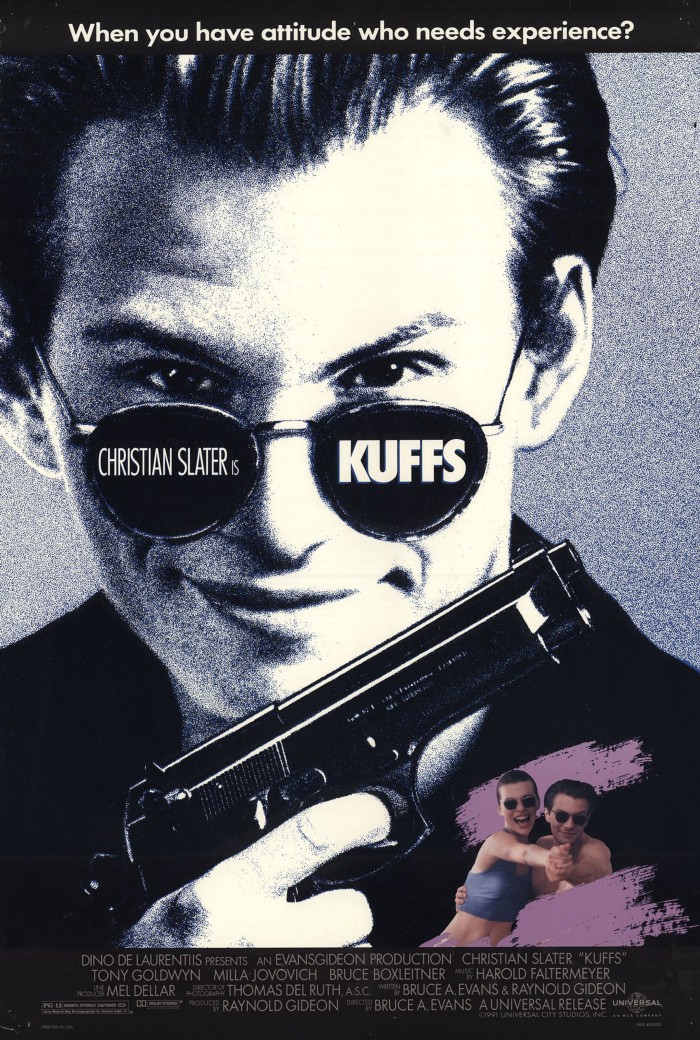
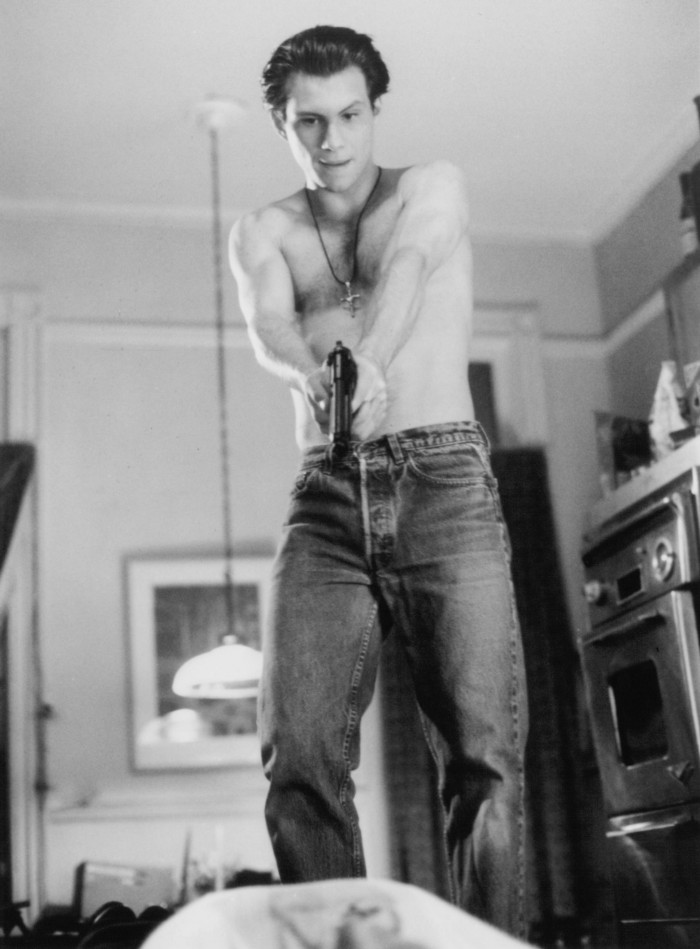
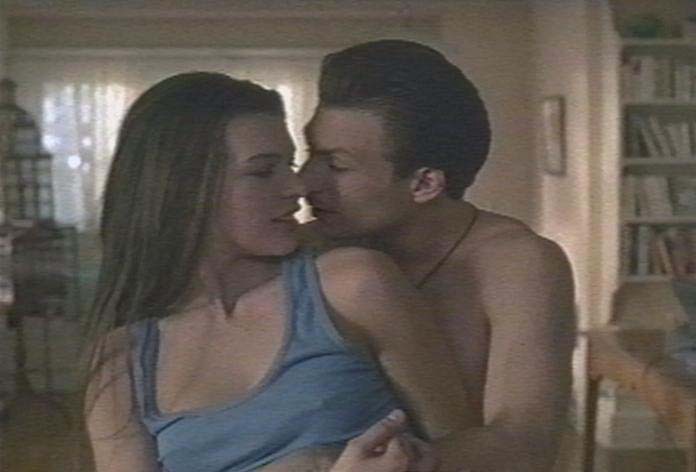
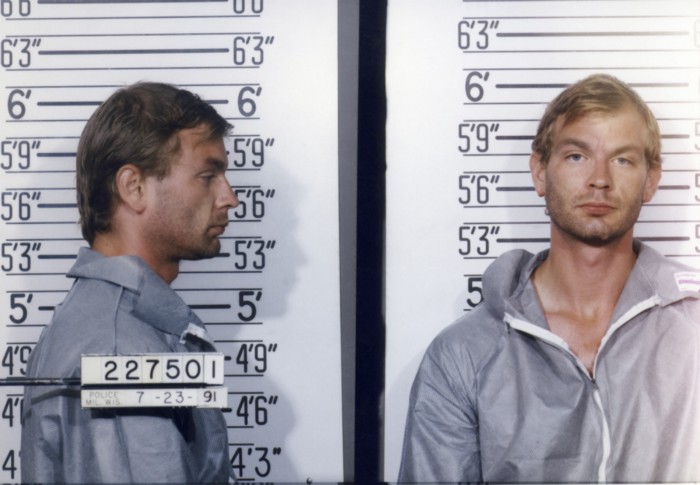
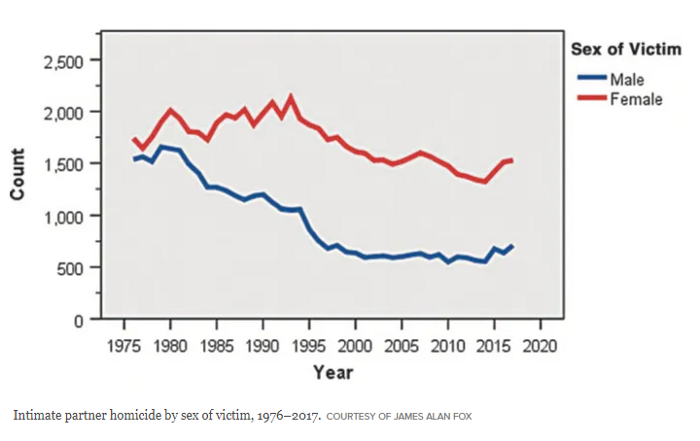


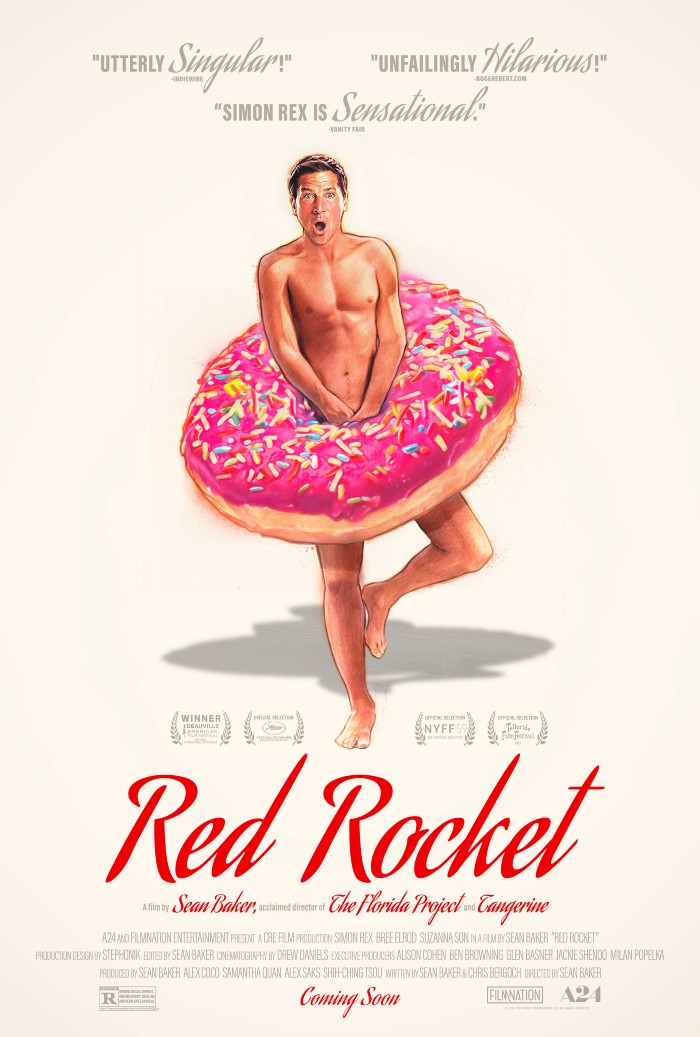
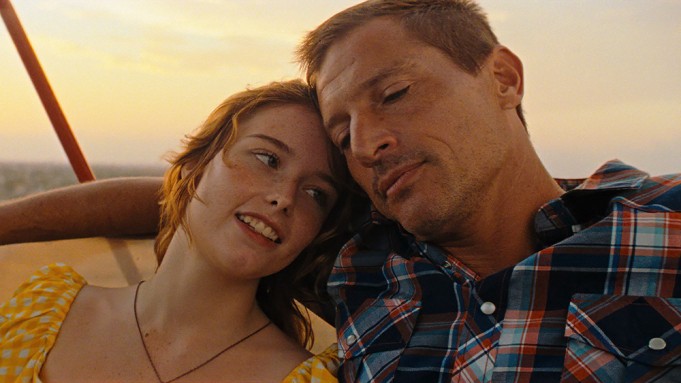


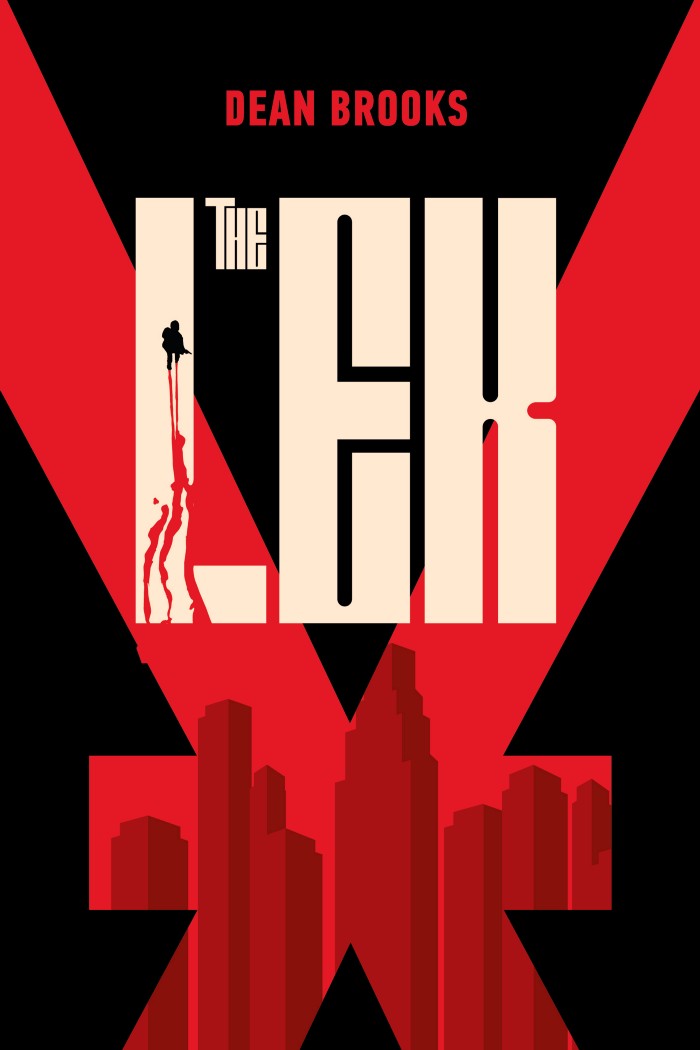
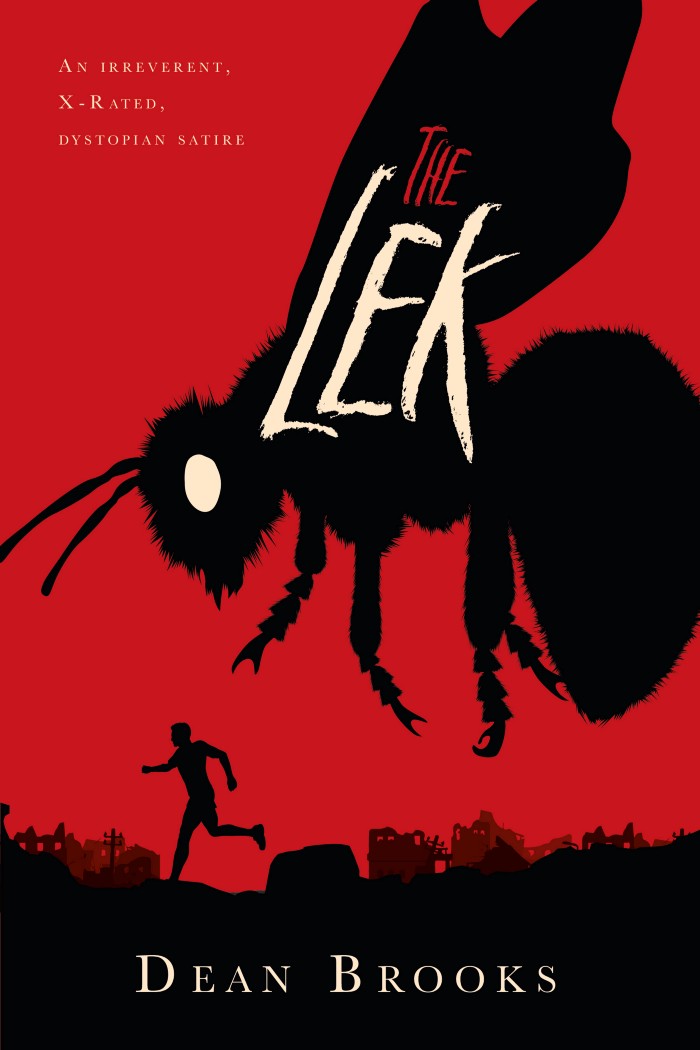
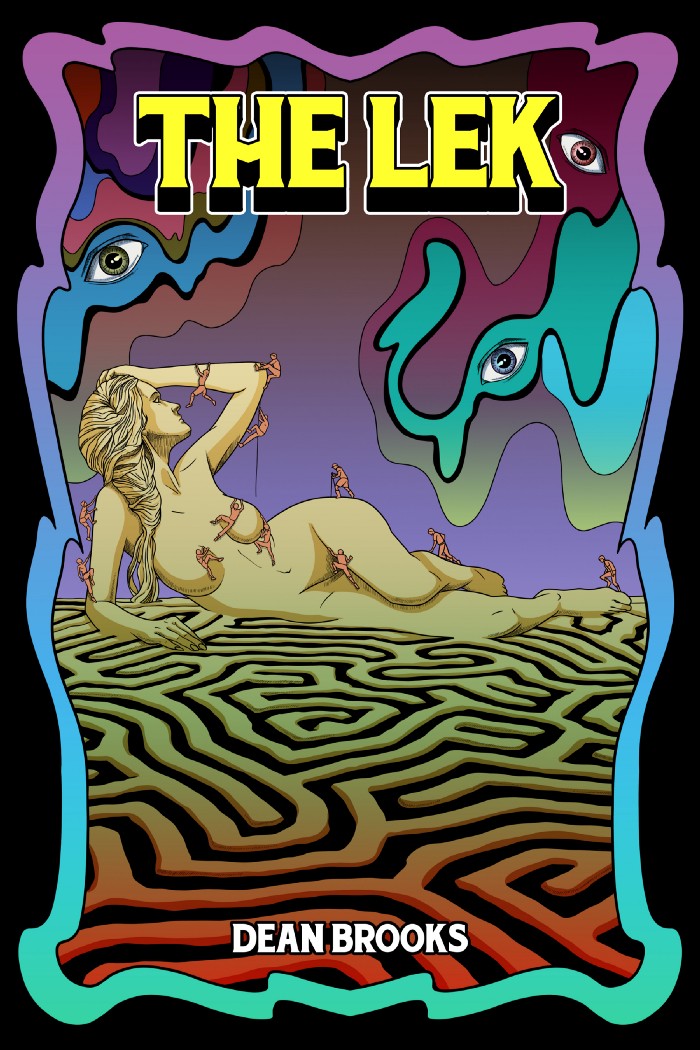
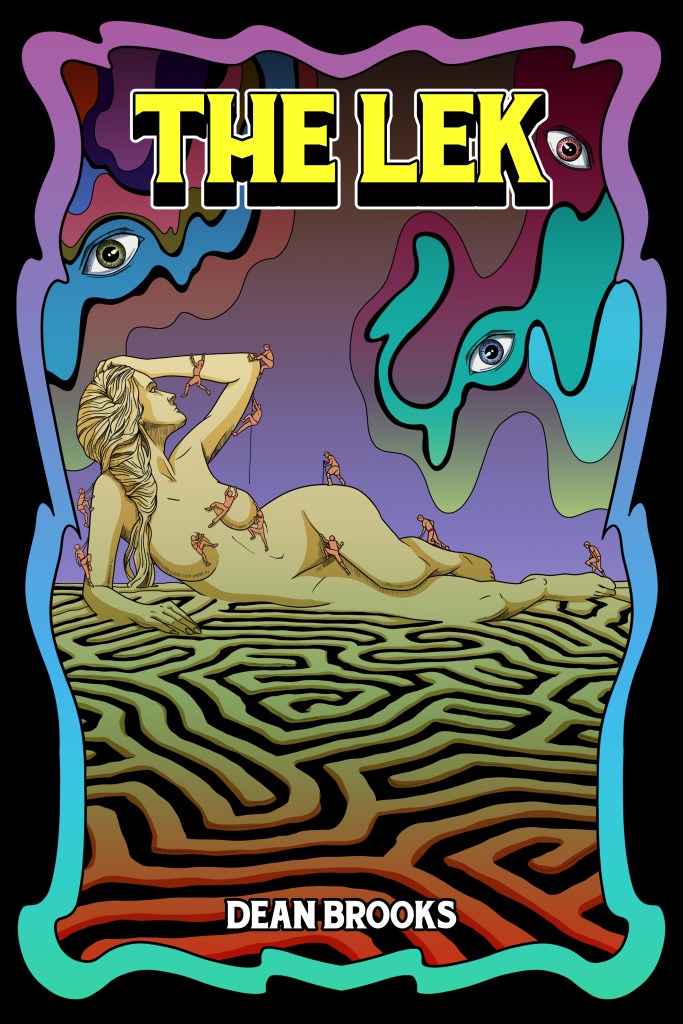
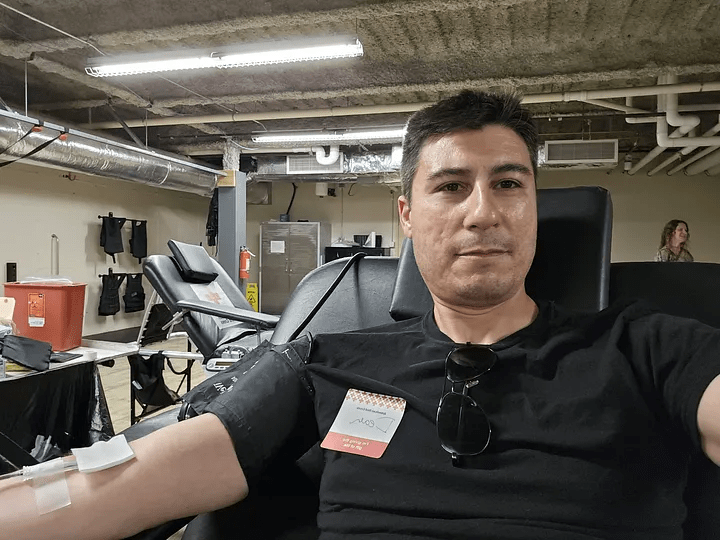


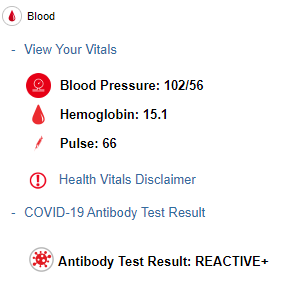

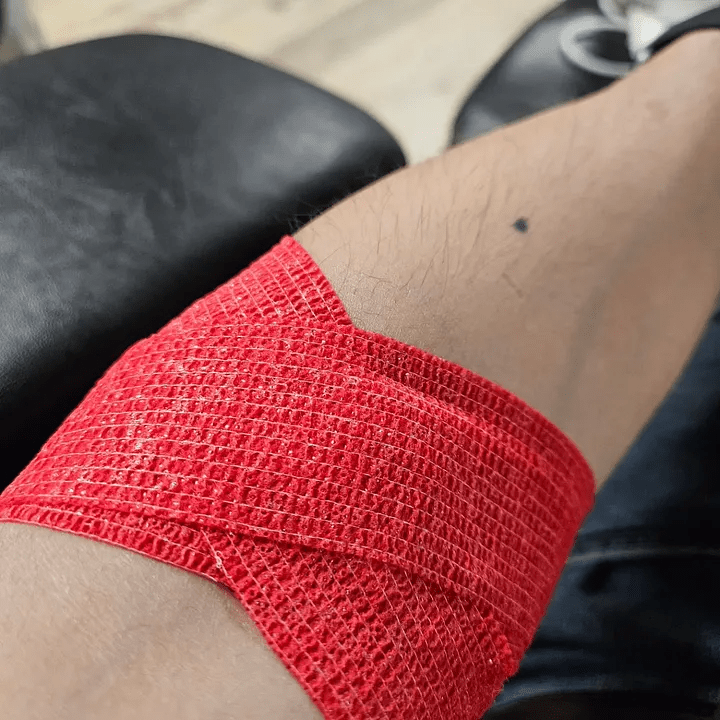

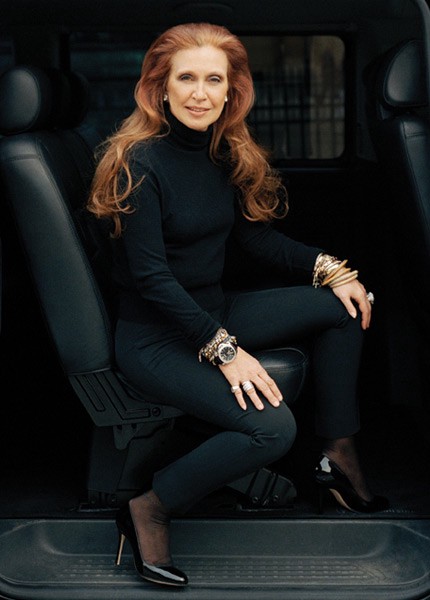
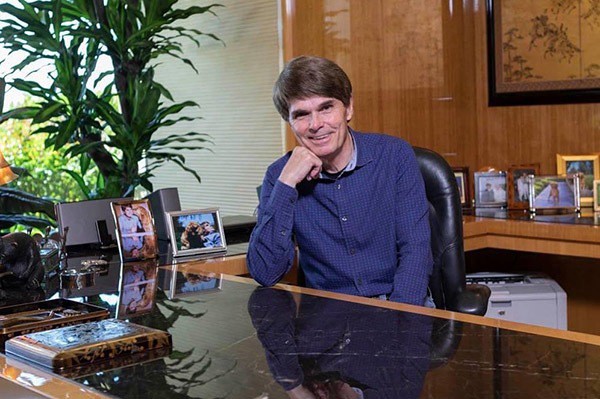



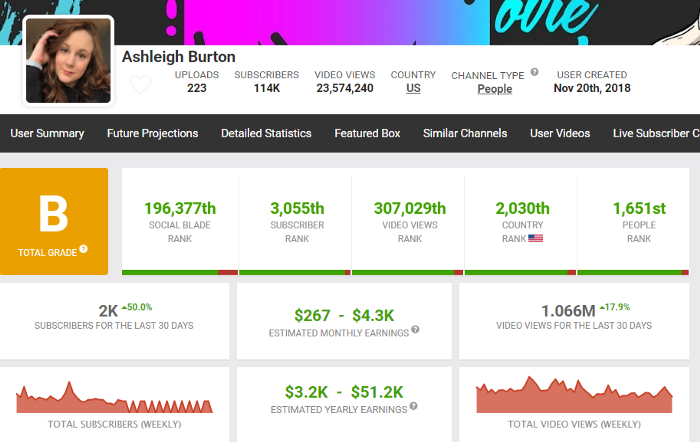


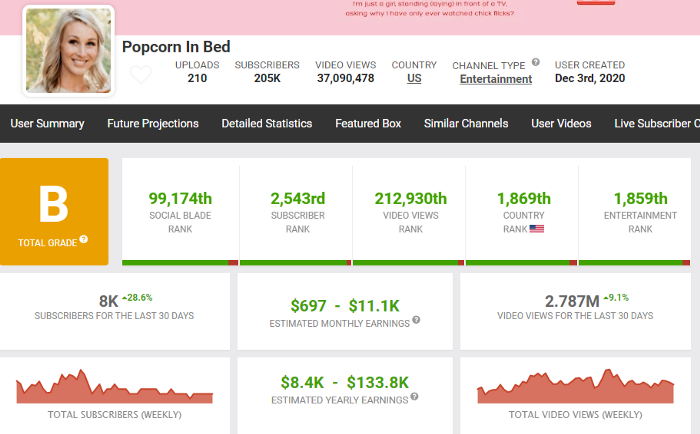


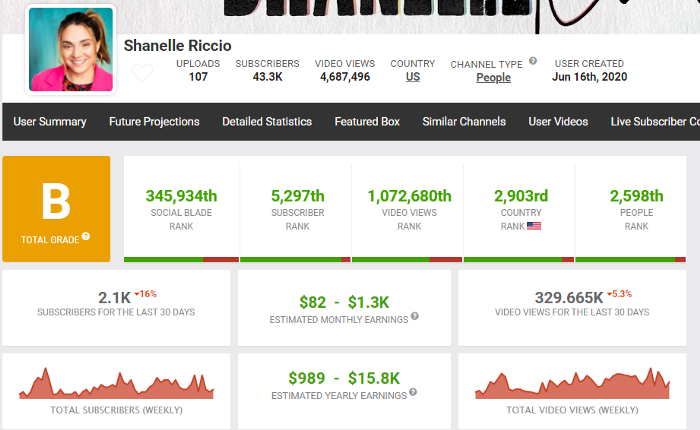
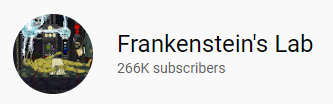
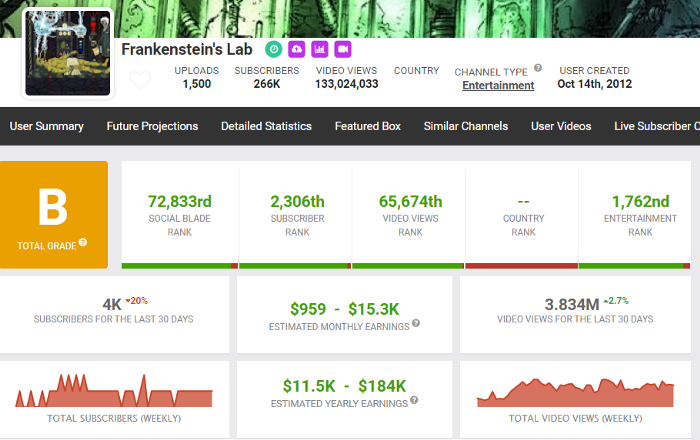

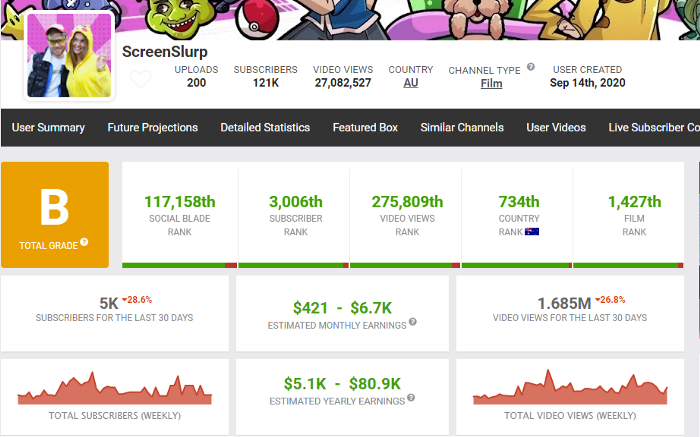



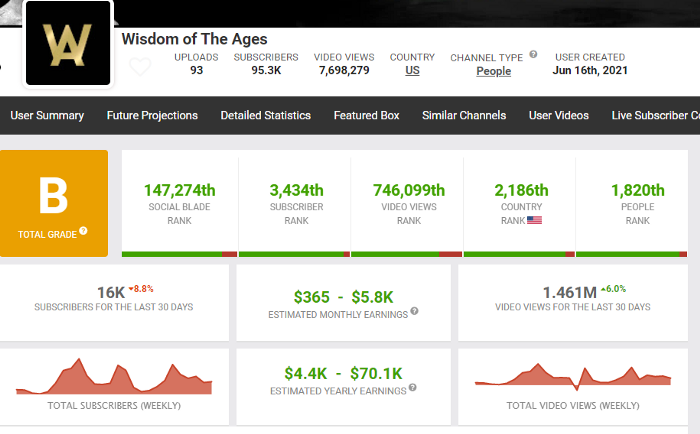



 Dean Brooks